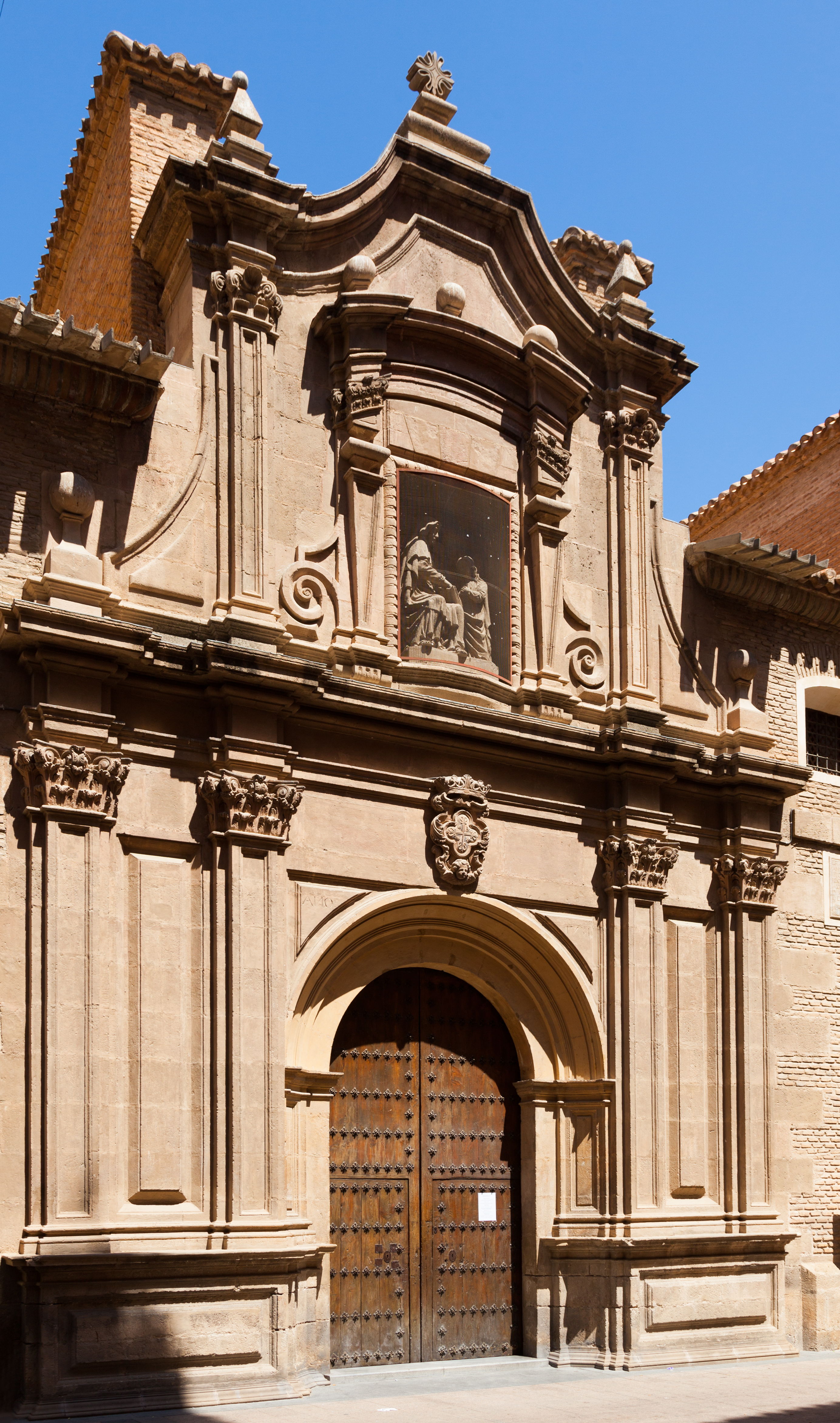
Heritage building restoration is a delicate balance between preserving historical integrity and adapting structures for modern use. In India, where centuries-old buildings dot our urban landscape, this practice is both an art and a science.
Understanding Historical Significance
Before any restoration begins, thorough research is essential. Understanding the building's history, architectural style, and cultural significance guides every decision. This involves studying original blueprints, historical photographs, and consulting with conservation experts.
Conservation Techniques
Modern conservation techniques allow us to restore buildings while maintaining their original character. This includes using traditional materials and construction methods where possible, carefully cleaning and repairing original features, and documenting every step of the process.
Structural Strengthening
Many heritage buildings require structural reinforcement to meet modern safety standards. This might involve adding steel supports, reinforcing foundations, or retrofitting for seismic safety. The challenge is doing this without compromising the building's historical appearance.
Modern Amenities Integration
Adapting heritage buildings for contemporary use requires careful planning. Installing modern plumbing, electrical systems, and HVAC while hiding them from view requires creativity and expertise. The goal is to provide modern comfort without altering the building's historic fabric.
The Value of Preservation
Restored heritage buildings become valuable assets. They contribute to cultural identity, attract tourism, and often command premium values in real estate markets. More importantly, they connect us to our past and ensure that future generations can appreciate our architectural heritage.